Cast Stone Precast Concrete columns

Cast stone precast concrete home pageCast stone precast concrete mail

Cast Stone precast concrete border

Products

Home
About us
Quote Request
Photo Album
Catalog
Products
Textures
Colors
Cast Stone Links
Installation
Whats new
Contact us

Contact Info


Cast Stone and Precast Concrete products and textures.

(805) 386-8185   Fax: (805) 671-9371

Glossary of products

Description: Cast Stone     Fino (fine) Texture chip  (click to enlarge)  

bulletOur "top of the line" product. Cast Stone resembles expensive cut limestone and sandstone at a fraction of the cost, looks and feels like real stone.
bulletAvailable in 2 standard textures and 12 standard colors.
bulletWe are one of the only manufacturers of Cast Stone in California and the only manufacturer of Cast Stone in the Los Angeles area.
bulletCast stone is usually "full weight", with sharp edges and rich texture, more uniform in color and texture than other cast products (i.e.) precast or GFRC made by other companies. Suited to formal high end European or Eastern States style homes
bulletLarger parts (i.e. columns) can be made in lightweight form.
bulletVibratory dry tamped. Made from crushed limestone sand, white cement and integrated pigment.
bulletDry packed into molds under extreme pressure.
bulletAlso referred to as Dry Cast or Dry Pack.
bulletThe difference between high end cast stone and precast concrete is easily seen, and even the novice can appreciate the high quality limestone like finish on a cast stone product. Made with old time European  techniques and reconstituting crushed limestone in our mix which gives our product a very special  texture and quality, unseen in normal precast products made by other companies. Usually used in formal high end European style or East coast style estate homes.
bullet (click here to go to Cast Stone colors)             
           

Description: GFRC or Precast Concrete (glass fiber reinforced concrete)  Precast Concrete "Old World" texture  (click to enlarge)  

bulletGFRC or lightweight precast concrete product, resembles aged stone at approximately 25% of the weight.
bulletAvailable in 12 beautiful textures and 12 standard colors.
bulletGFRC is just another term for lightweight precast concrete and  is usually used in more contemporary  or rustic themed homes using the old world, travertine, or others of our many textures resembling the aged and weathered stone of the Mediterranean, Tuscany and even the Cantera or Adoquin stone of old Mexico. GFRC can be made to resemble many natural stone products.
bulletLightweight thin wall with many different textures available (see below).
bulletMade from sand or aggregates, fiberglass reinforcement, cement, and integrated pigment.
bulletHand laid or machine sprayed into molds.
bullet GFRC is usually used in residential and commercial  projects. There are 12 amazing textures and 12 standard colors in our precast concrete line for which there is no up charge and can make our product in custom colors for a extra charge (see our color charts).
bullet (click here to go to GFRC and Precast Concrete colors)


Description: GRG (glass fiber reinforced gypsum)

bulletGRG can be made to resemble many natural products.
bulletRecommended for indoor use only (unless modified).
bulletMade from gypsum, sand or aggregates, polymers, and integrated pigment.
bulletWet poured, sprayed or hand applied into molds.


Glossary of Textures

These textures are also on our texture page.

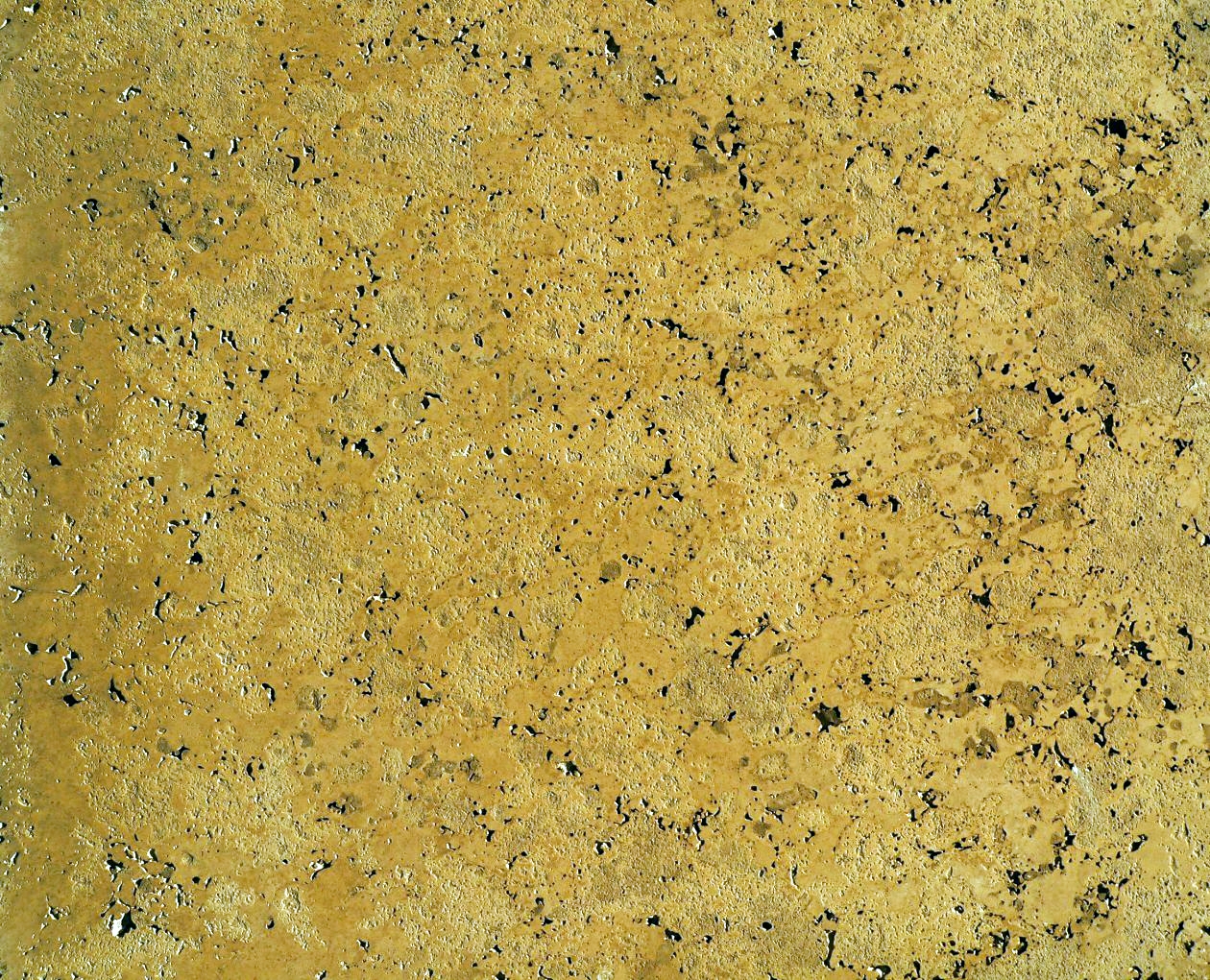
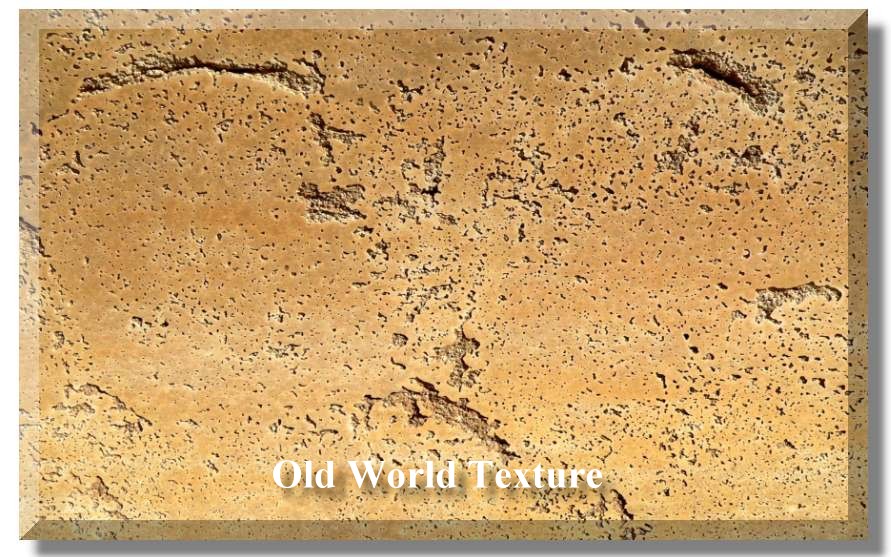
Description: Old World Texture  Precast Concrete "Old World" texture  (click to enlarge)  

bulletOld world texture, everyone's favorite precast concrete or GFRC product, resembles aged stone with flashes of color and deep fissures.
bulletLightweight thin wall GFRC or full weight precast, with bright multicolored hand made highlights.
bulletMade from sand or special aggregates, fiberglass reinforcement, cement, and integrated pigment.
bulletHand laid into molds. 
bulletBase price.


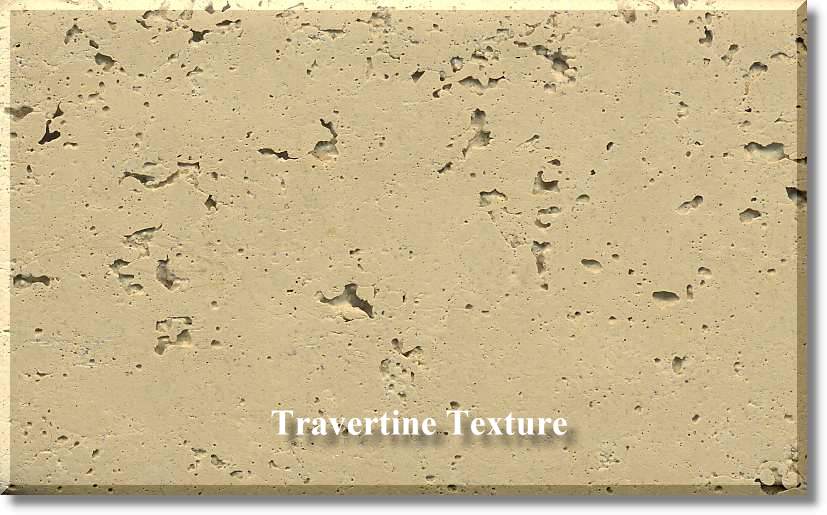
Description: Travertine Texture   Precast concrete Travertine texture chip  (click to enlarge)  

bulletTravertine texture, made in precast concrete or GFRC product, resembles travertine or cut and polished limestone.
bulletLightweight thin wall GFRC or full weight precast, with smooth regular polished surface with small irregular fissures.
bulletMade from sand or aggregates, fiberglass reinforcement, cement, and integrated pigment.
bulletHand laid into molds.  
bulletBase price    


Description: Smooth texture  (click to enlarge)  

bulletSmooth texture, precast concrete or GFRC product, smooth plaster like finish, with a regular surface.
bulletLightweight thin wall or full weight.
bulletMade from sand and aggregates, fiberglass reinforcement, cement, and integrated pigment.
bulletHand laid or sprayed into molds. 
bulletBase price.    


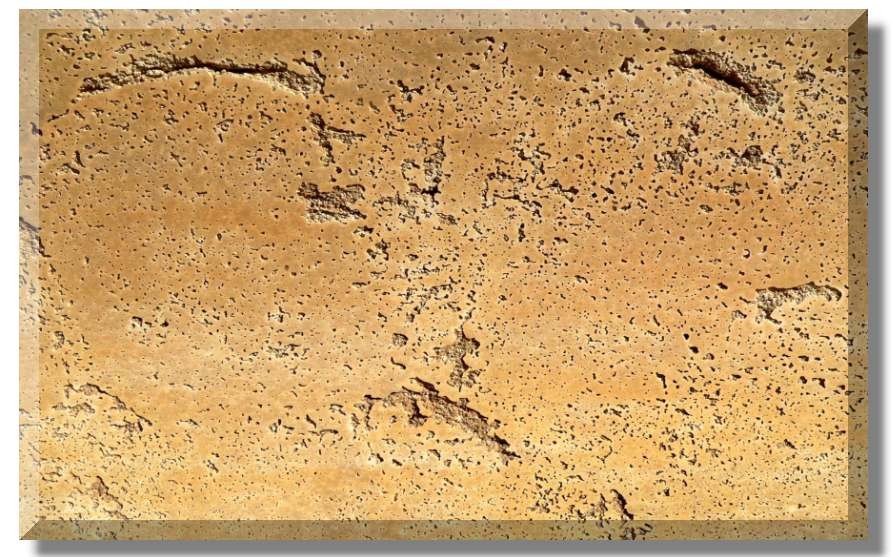
Description: Cantera texture  (click to enlarge)  

bulletCantera stone texture, precast concrete or GFRC product, volcanic like finish, with a pitted surface, exquisite color variation..
bulletLightweight thin wall or full weight.
bulletMade from sand and aggregates, fiberglass reinforcement, cement, and integrated pigment.
bulletHand laid into molds. 
bullet10% more expensive than our base price. 


Description: Scagliola Texture    (click to enlarge)  

bulletScagliola texture, made in precast concrete or GFRC product, rich natural stone texture resembling cut marble.
bulletName is derived from the Italian word "scaglia" meaning "chips of stone".
bulletAncient secret formula dating from the 15th century, revived and improved upon by Italian monks in the 17th century, and which had all but disappeared by the 19th century. 
bulletLightweight thin wall GFRC or full weight precast, with smooth polished surface with many small irregular fissures and swirls.
bulletMade from crushed limestone or aggregates, fiberglass reinforcement, cement, and integrated pigment.
bulletHand laid into molds.
bullet10% more expensive than our base price.   


Description: Coral Texture    (click to enlarge)  

bulletCoral texture, made in precast concrete or GFRC product, rich natural stone texture resembling cut coral or keystone.
bulletCoral is a limestone that has been formed for thousands of years in marine regions, we simulate the texture with silicone rubber molds taken from coral texture..
The stone is almost pure white on extraction and has natural antiquing which we simulate with concrete stains..
bulletNatural Coral is becoming increasingly rare, and was very popular until a few years ago, but has now become too expensive for most projects.
bulletLightweight thin wall GFRC or full weight precast, with smooth polished surface with many small irregular fissures and swirls.
bulletMade from crushed limestone or aggregates, fiberglass reinforcement, cement, and integrated pigment.
bulletHand laid into molds.
bulletMore expensive than our base price.   


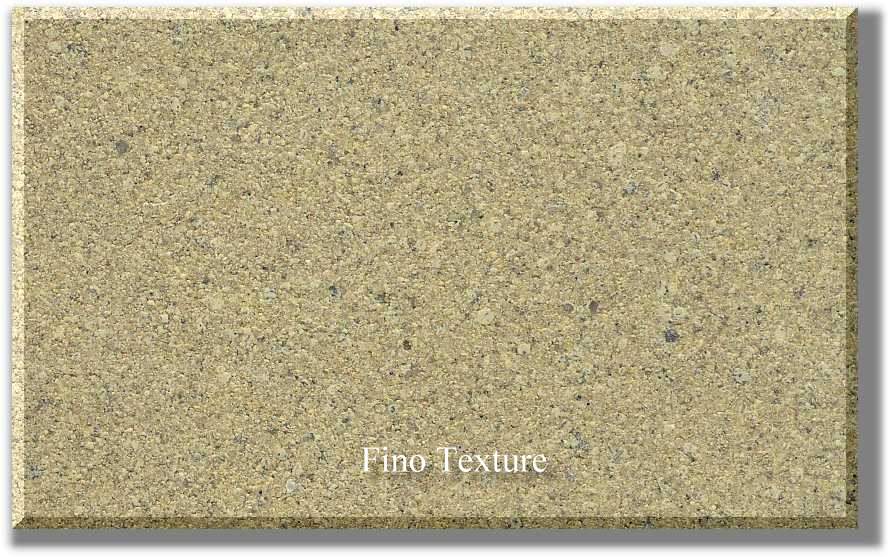
Description: Fino (Cast Stone) Texture     Fino (fine) Texture chip  (click to enlarge)
 

bulletFino or dry cast texture resembles expensive cut limestone at 25% of the cost.
bulletFino texture has sharp edges and rich texture, more uniform in color and texture than other cast products.
bulletCan also be made in lightweight GFRC.
bulletMade from limestone sand, white cement and integrated pigment.
bulletDry packed into molds under extreme pressure.
bulletThe difference between high end cast stone and precast concrete is easily seen, and even the novice can appreciate the high quality limestone like finish on a cast stone product. Made with old time European  techniques and using crushed limestone in our mix which gives our product a very special  texture and quality, unseen in normal precast products.
bullet15% more expensive than our base price


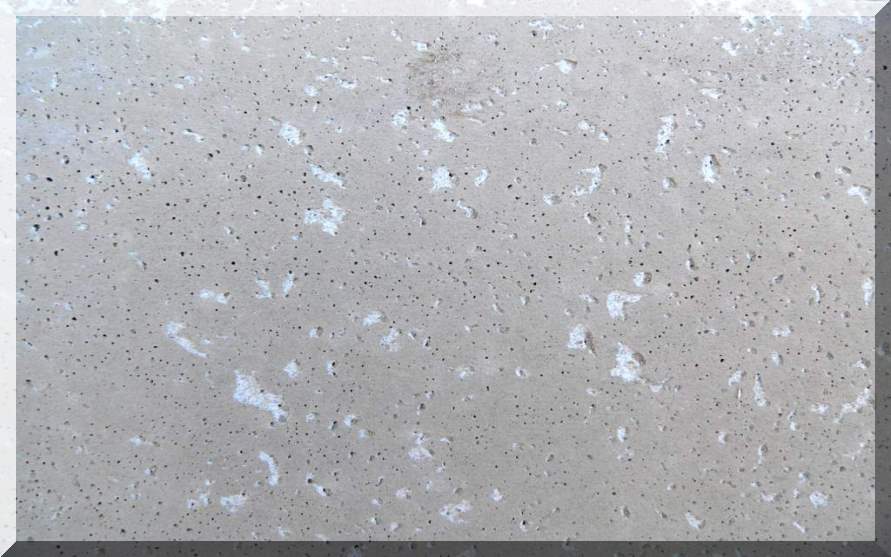
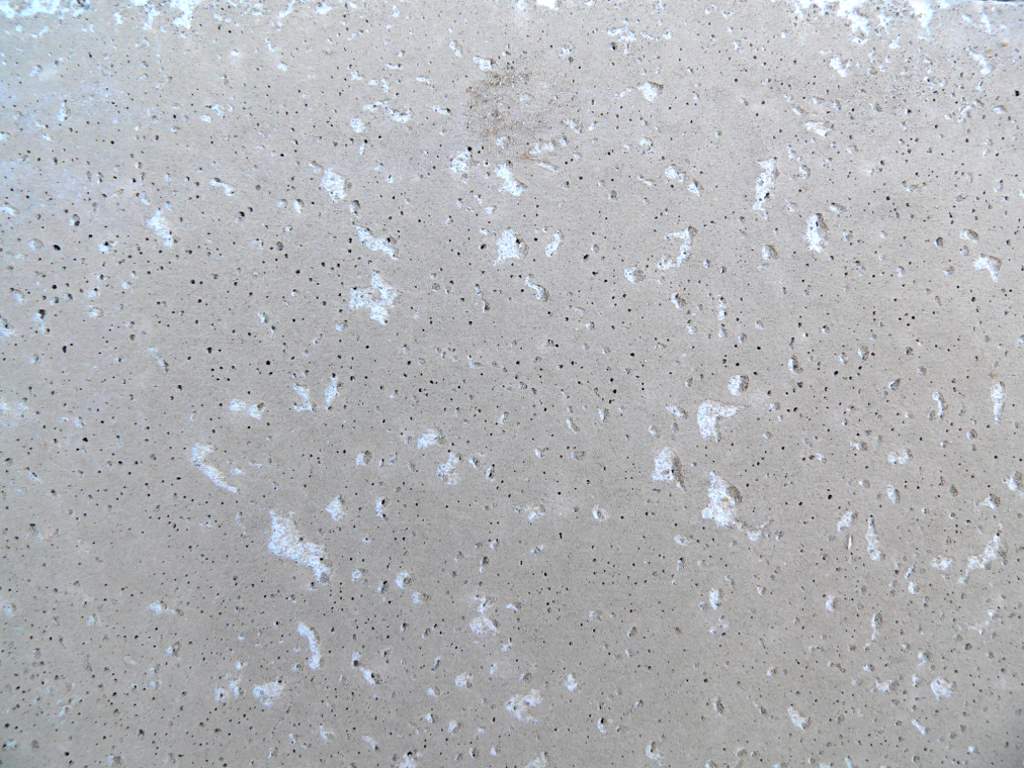
Description: Filled Travertine Texture    (click to enlarge)  

bulletFilled Travertine texture, made in precast concrete or GFRC product, resembles filled travertine.
bulletLightweight thin wall GFRC or full weight precast, with smooth regular polished surface with small irregular fissures.
bulletMade from sand or aggregates, fiberglass reinforcement, cement, and integrated pigment.
bulletHand laid into molds, fissures and small holes are later filled with a special blend of cementitious material.  
bullet10% more expensive than our base price    


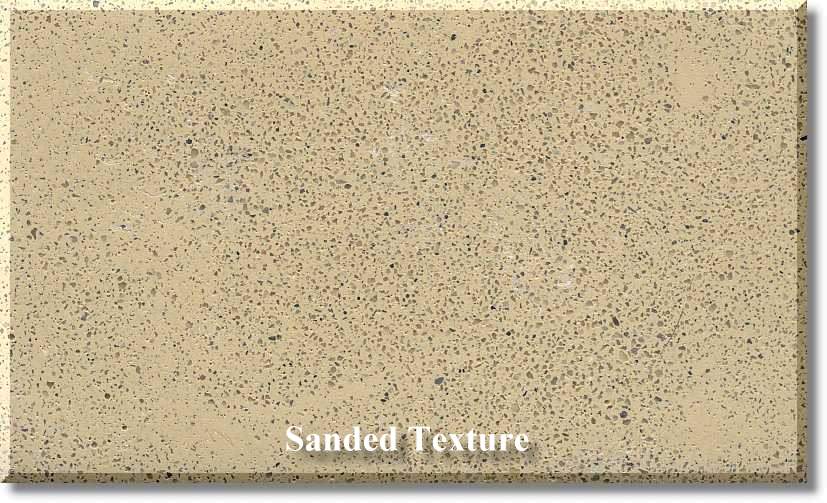
Description: Sanded Texture   (click to enlarge)  

bulletSanded texture, precast concrete or GFRC product, resembles sandstone, regular smooth sandy surface.
bulletLightweight thin wall GFRC or full weight precast, with sandstone look and feel.
bulletMade from sand and aggregates, fiberglass reinforcement, cement, and integrated pigment.
bulletHand laid or sprayed into molds and sand washed to expose the aggregates.
bullet 10% more expensive than our base price   


A short lesson on our concrete products.


Cast Stone

Cast stone is most often used  in classical homes requiring the fine sanded texture and sharp details common to fine European or East coast estate homes.
Cast stone, used by man since the Egyptian pyramids were constructed, is hand packed into molds under tremendous pressure, just as in nature when limestone is made from the extreme pressure on sand, lime and slurry over thousands of years. This technique of compacting sand, crushed limestone and colored pigment with a small amount of water ensures a product which closely resembles limestone. Uniform in color and texture because very little water is used in it's production, cast stone is used where limestone or sandstone is desired but is cost prohibitive. The surface of cast stone shows the aggregate naturally at its surface, simulating limestone or sandstone. Pleasing, high quality texture, our favorite.
T
he difference between high end cast stone and normal precast concrete is easily seen, and even the novice can appreciate the high quality limestone like finish on a cast stone product. Made with old time European  techniques and reconstituting crushed limestone in our mix which gives our product a very special  texture and quality, unseen in normal precast products. Larger parts can sometimes be made in lightweight form.     
Cost's slightly more than our other products because of the Materials used and the special molds needed in it's manufacture.


GFRC  (glass fiber reinforced concrete)

GFRC is just another term for lightweight precast concrete and  is usually used in more contemporary  themed homes using the old world, travertine, or others of our many textures resembling the stone of the Mediterranean, Tuscany and even old Mexico.
We simulate aged stone by hand laying a mix of special aggregates and cement into molds with special "techniques", making the product look  time worn or aged, resembling the old stone moldings seen at many historical sites or buildings. The GFRC product is thinwall about 3/4" thick and is extremely strong and about 25% the weight of solid stone.
GFRC can also be sprayed into molds, resulting in a smooth unblemished surface.


Precast concrete

Precast concrete is usually used in more contemporary  themed homes using the old world, travertine, or others of our many textures resembling the stone of the Mediterranean, Tuscany and even old Mexico. We manufacture precast concrete products similar to the products made by other manufacturers except we have 12 different beautiful textures unseen in normal precast manufacturing.
We also simulate limestone or sandstone by pouring a mix of wet concrete into molds and when cured are then sand washed, to remove the fine cured cement particles at the surface of the product, and hopefully expose the aggregates to give the product the highly desired limestone "look".
Precast concrete can also be sprayed into molds, resulting in a smooth unblemished surface.


Lightweight cast stone.


We at Ventura Cast Stone, Inc are pleased to introduce this lightweight GFRC cast stone or lightweight precast concrete.
Because lightweight cast stone is made from fiberglass strand mixed with real crushed limestone-cement matrix which gives it that stone look, it is suitable for architectural columns, balusters, window/door trim and fireplace mantle treatments requiring the look and feel of real stone.
Lightweight precast concrete is usually called GFRC or glass fiber reinforced concrete, and is manufactured by Ventura cast stone and installed in the Los Angeles, Ventura and Santa Barbara Counties. Precast concrete weights aprox 100 lbs per cubic foot, GFRC weights aprox 10 lbs per cubic foot, being hollow inside.
Precast concrete simulates older carved sandstone and does not simulate limestone as does cast stone. Precast concrete resembles finished concrete and the surface looks mainly smooth with added texture. Cast stone resembles limestone. Lightweight GFRC precast concrete is not a new product and has been used for years in architectural products.


Texture
Textures range from smooth to rough and refer to the feel of the concrete as your hand rubs across it. Examples of such textures are a hard-trowel finish and a deep-exposed aggregate finish, respectively. Exposure refers to the degree the coarse aggregate is visible. Exposures are typically classified into four categories: nonexposed, light, medium and deep. See Table 1 below for a brief description of each category and techniques used to achieve them.

Table 1: Exposures of Architectural Precast
Exposure categories Description Techniques
Nonexposed Cement paste only, as removed from the form Form finish (as cast)
Form liners
Light Matrix dominant, surface skin of cement and sand is removed Acid etch
Abrasive blast
Cast stone
Medium Coarse aggregate is exposed in equal areas to the matrix, 50/50 Surface retarder
Abrasive blast
Acid etch
Bushhammering
Deep Greater coarse aggregate exposure, very little matrix is seen Surface retarder
Abrasive blast

The following are some general practices associated with different exposures regardless of which techniques are used to achieve them. They are presented in two groups: non-exposed to light, and medium to deep.

It should be noted that good concreting practices are essential for all precast production. For more information on good concreting practices, refer to NPCA’s “Quality Control Manual for Precast Concrete Plants.”

Nonexposed to light exposures, smooth textures
Use this group to create crisp, sharp details. Common finishes include ordinary concrete, limestone, sandstone and marble. Form liners are typically used for these finishes as well. Cast stone and certain veneers (marble, terra cotta, brick, etc.) also provide a smooth to light texture.

Emphasis must be placed on form preparation. Forms must be plane and level. The slightest defects will be mirrored to the finish and become easily visible due to the glassy smooth or mildly altered texture. All joints, form defects and fasteners must be filled and made smooth. Forms should be properly seasoned with a thin layer of a reactive-type release agent applied prior to casting. Reactive release agents won’t discolor concrete and will reduce bug holes that are more apparent on smooth surfaces.

Aesthetic-face mixes of a few inches are commonly used to reduce costs. This will also reduce the size and number of bug holes. The face mix contains the more expensive architectural mixture proportions and is backed with a secondary pour of standard concrete mix. This is more applicable to panels cast face down.

Color variation tends to be more noticeable with smoother finishes. This is related to variations in cement and w/c ratio. White cement is the most stable in creating uniform color. Mixture proportions should utilize a low w/c ratio with a high-range water-reducing admixture. This will help release entrapped air and improve finish details while maintaining a consistent color.

Medium to deep exposures, rough textures
Use this group to create the look of granite or exposed coarse aggregate or to produce a weathered appearance. These exposures tend to be more forgiving with respect to form defects. They camouflage small bug holes in the shadows of aggregates, and they weather better with time relative to smoother finishes. However, crisp corners and sharp details are difficult to achieve due to the rounded or jagged nature of the aggregate.

In general, color variations are reduced because the aggregate color is predominant. Aggregate color is unaffected by w/c ratio, curing, etc. Appearance variations can be further reduced by matching the coarse aggregate color to that of the matrix. ventura cast stone

Techniques
There are several techniques used during production and processing to achieve the end finish. Each has different advantages, disadvantages and costs associated with it. These techniques can be combined to produce favorable results and reduce some of the difficulties associated with them. The precaster should be knowledgeable about these techniques so they may guide the architect and owner in the best direction to achieve the end goal. This should result in fewer problems, more satisfied customers and greater profits.

Form finish (as-cast)
All precast concrete is made in molds or forms. When stripped, the concrete has a relatively smooth finish. For underground products, this is typically the end finish. For architectural precast, sometimes the form finish is used as the end finish, which is very economical since no further processing is performed. However, there are several things to consider when producing architectural precast with a form finish.
 precast concrete, precast, cast, stone

Weathering. The surface skin is a smooth film of hardened cement paste. Therefore, it is highly susceptible to acid rain or regular weathering over time. Weathering will erode the surface, exposing more sand. These effects alter the finish and may not occur uniformly, depending on location and design. Designers should take into account the water flow over the precast surface during rain to avoid nonuniform weathering. For example, a scupper that does not extend beyond a parapet will typically erode the finish below.

Crazing cracks. Crazing cracks are a surface phenomenon of web-like cracking occurring within a thin layer of cement paste at the surface. They are more common on horizontal surfaces and become more apparent when the precast becomes wet or dirty. They can be reduced by slow, even curing using low w/c ratios and lower cement contents.

Shadowing. Shadowing is coarse aggregate transparency at the finished surface. It is more noticeable with form finishes. This is usually caused by overvibration or heavy consolidation requirements that cause aggregate segregation. This most often occurs when dark aggregate is used with light paste colors. Using light-colored aggregate and appropriate vibration should reduce this.

Design. Products should be designed with the proper form drafts (minimum 1:12, but 1:8 is better for a form finish) to reduce damage during stripping. The design of these products should include shading and depth effects to mask some of the possible defects in the finish. These include reliefs, subdivision of sections, incorporating ribs or sculpturing, etc. , los angeles cast stone

Repairs. Repairs are difficult to blend due to the smooth texture. The color is also hard to match due to the small batch size of the repair material. When possible, repairs should be made with concrete from full scale batches during production of other pieces.

Acid etching
Dilute solutions of hydrochloric acid are used to dissolve cement and expose the fine and coarse aggregate. This procedure is typically used for light to medium exposures and to simulate limestone finishes. Acid etching should be performed only after adequate curing (approximately two weeks or a minimum compressive strength of 4,500 psi). Prior to applying acid, paint or seal all exposed metal surfaces to protect them. A zinc-rich compound applied at a thickness of 3 mils should be sufficient.

The concrete surface must be thoroughly wetted prior to applying acid to avoid streaking and overexposure. Acid is typically applied with a scrub brush. However, a nonmetal sprayer with a wide-angle tip provides a uniform application. Pay special attention to returns, flat areas or locations where acid may puddle or concentrate, as this may also cause overexposure. Exercise caution to avoid splashing the acid on surrounding products or items. In addition, use the proper safety gear, including face shield, gloves, respirator, boots and protective clothing. The surface should be flushed with clean water to remove all residue within 15 minutes of the original acid application. Here are some other considerations:

Materials. Use only acid-resistant aggregate such as granite and quartz in the concrete. Carbonate aggregate such as limestone, dolomite and marble will discolor or dissolve due to their high calcium content.

Color and uniformity. Acid tends to darken the finish and expose the fine aggregate. Pink, buff, yellow and brown concrete colors are more forgiving for piece-to-piece variations. Grays tend to be the most difficult. Matching fine and coarse aggregates to the cement will improve gray color matching.

Weathering. Acid-etched finishes tend to weather better than form finishes. Increased efflorescence can occur from acid washing. Sufficient curing, use of supplementary cementitious materials and thorough rinsing will reduce efflorescence.

Repair. Repairs are typically easy to perform and match to appearance. Acid etching is also used to clean up or bring a sparkle to the finish after abrasive blasting or removal of a surface retarder. Acid cleaning is also performed on precast concrete to remove dirt and environmental debris.

Abrasive blasting
Abrasive blasting is the removal of the form-finished surface with hard particles (usually sand) forced by air at a high velocity. The blast wears away paste as well as fine and coarse aggregate. The rate at which the coarse aggregate is worn away depends on the hardness of the aggregate and the blasting material. Silica sand is the most commonly used material. However, this has become an expensive option with respect to EPA and OSHA requirements for containment and safety. Other materials may be used for abrasive blasting such as “Black Beauty” or crushed walnut shells. To prevent inhaling fine silica particles, the proper safety gear must be used, including protective clothing, gloves, boots and a hood equipped with a breathing line.

Abrasive blasting usually flattens and smoothes the aggregate, resulting in a dull or matted finish. This technique is used for light to medium exposures. Abrasive blasting may also be used for deep exposures; however, the aggregate is worn down in the process, and therefore the color may still be influenced by the matrix. Surface retarders tend to provide best results for deep aggregate exposures. Blasting is usually performed within 24 to 72 hours after casting. As the concrete cures, blasting requires greater time and therefore greater expense. All precast should be blasted at the same age to help ensure consistency.

Color and uniformity. Blasting tends to lighten a finish as aggregates lose their edges and become rounded and frosted. Color and depth variations are easier to control with abrasive blasting, but they depend heavily on the skill of the operator. Deeper blasts appear more uniform.

Weathering. Greater exposure reduces the effects of weathering by channeling the water runoff more evenly.

Repairs. Repairs are relatively easy to make and blend in with abrasive blasting. However, repairs on site can be expensive due to the protective measures required.

Surface retarders
Surface retarders are chemical mixtures that slow the hydration of cement. Typically these are rolled or sprayed onto the form with the precast product being cast finished side down. After the concrete has set, usually overnight, the surface retarder is removed by water blasting or scrubbing. Surface retarders allow for the removal of the paste without damaging or altering the coarse aggregate. The aggregate maintains its shape and becomes more pronounced, resulting in a brighter and more natural-looking aggregate finish. Surface retarders are used when medium to deep exposures are required. Here are some considerations:

Color and uniformity. Surface retarders must be applied evenly and consistently to the form. If the surface retarder application is scraped, scoured or varies in thickness, the finished product will have lines or hard spots, or it will look splotchy in color due to different exposure depths. Vertically cast returns will differ from the face due to aggregate orientation. Rounded or cubical aggregate will minimize this. Also, after curing, the face and sides where sealant material will be applied may be washed with a dilute acid to remove any remaining retarder or retarded paste.

Placement. Keep concrete drop heights low during placement to reduce damage to the surface retarder. Also, vertical and curved sections may have surface retarders scoured during placement. Place the concrete from the lowest to the highest part of the form.

Weathering. Exposed aggregate tends to weather very well. Exposed aggregate lets water run more uniformly over a surface.

Repairs. This finish is one of the easiest to repair and blend. This is due to the color stability and deep exposure of the aggregate.

Form liners
Form liners are used to create images, shapes and patterns or to mimic other building materials. Some examples are natural stone, wood plank siding, ribs, brick or custom designs. Form liners help mask some defects associated with form finishes by providing relief in the visual plane. To further reduce concerns related to form finishes, other techniques such as a light abrasive blasting or acid etching may be performed. Form liners are typically made from elastomeric materials. However, wood, plastic, foam, plaster and steel are also used.

Bushhammered or tooling finish
The use of tooling techniques, hammers or equipment to abrade the surface of the precast is referred to as “bushhammering.” This technique fractures the surface concrete and coarse aggregate, thereby exposing their color. It is used for medium to deep exposures without the aggregate protrusion. Fractured rib designs are commonly used with this technique. Tooling typically removes approximately three-sixteenths of an inch of concrete cover. Due to the labor-intensive procedures, this finish is not common today. Form liners and abrasive blasting have been used to provide a similar finish.

Design. This technique is most applicable for flat or convex surfaces. All tooled surfaces must be accessible with equipment. The protective cover of the reinforcement should be increased to account for the removed concrete surface.

Repairs. Repairs are difficult due to the fracturing of the aggregates. The force from the impacts to fracture the repaired section may result in failure of the repair. To reduce this risk, the repair area should be oversized with reinforcement embedded into the existing piece.

Grinding
This technique is used to polish the precast concrete’s surface by means of wet or dry grinding. The grinding is performed in succession from very coarse to finer abrasive agents (grits) and can remove approximately one-eighth of an inch of the surface. The procedure produces a relatively smooth surface with coarse aggregate visible that resembles polished granite. The degree of aggregate exposure depends on the depth of grinding. These smooth, dense surfaces resist dirt and weathering very well.

Minimize matrix exposure by maximizing the aggregate density on the finished surface. A continuous-graded concrete mix will help achieve this. Also note that softer aggregate (marble, onyx) will grind easier, reducing processing costs. The compressive strength should be a minimum of 5,000 psi, with all repairs and filling of bug holes completed and cured prior to grinding. This expensive technique is usually performed on flat surfaces.

Veneers
Veneers are cast into the product to gain the look of another material with the benefits of precast. Some common veneers include clay brick, terra cotta, granite, marble and large stones. Usually veneers are used for buildings but can be used for sound and retaining walls, columns, signs, trim, etc. Veneers can reduce the liability of the precaster for the aesthetic acceptability of the project when the source has been approved. Veneers typically require fewer repairs, disputes and replaced pieces. When repairs are required, they are typically easier to perform, provided the veneer material is still available. Veneers are more expensive than many other finishes, but they usually cost less than the veneer material installed in the field by other means. Cast stone,precast concrete,precast columns,cast,stone,los angeles,ventura,santa barbara

Connection details of the veneer to the precast are critical. Clay products may be cast into the concrete directly, while granite or marble facades must be connected by corrosion-resistant clips or other devices. There should also be a barrier preventing bond of the concrete to stone materials. The coefficient of thermal expansion is different between the veneer and concrete and must be taken into account during design. The difference in expansion and contraction may cause bowing of the precast. Some methods of adjusting for bowing include adding two layers of reinforcing steel, prestressing and cambered forms.

Cast stone
Cast stone is a predominantly dry-cast process. Cast stone looks like naturally cut stone such as limestone or sandstone. This creates products with crisp edges and no aggregate exposure. Cast stone is typically used for smaller pieces such as coping, headers, window sills, cap stones, address stones, etc. Cast stone, like other dry-cast products, allows for reuse of a form the same day. Dry-cast stone also requires moist curing at elevated temperatures after being stripped to properly develop early strength.

Wet casting is also used to make cast stone. The products typically are acid etched after curing to expose the sand.

Samples
There cannot be enough importance placed on samples and mock-ups. Architectural precast must be accepted aesthetically by the owner and architect. Communication of expectations is vital to a successful project.

Mock-ups allow you to set criteria and guidelines for acceptable color variations, finish variations, size and limit of defects (bug holes), tolerances, etc. They can be observed for weathering effects and color changes throughout the day (position of the sun, cloud cover, rain) as well as long-term weathering effects. Connection details and other material selections such as windows and roofing can also be evaluated. Mock-ups should be built to full scale, preferably on site. This allows for conditions that are similar to what the final product will be exposed to. As with any project, careful planning and clear communication of possibilities and expectations will produce better overall results.

Architectural precast concrete is a superior product and offers many opportunities for owners, architects and precasters. For those who are producing and using architectural precast already, hopefully you will increase its use and promotion by bidding on projects that may have other materials specified and to develop new creative applications. For those who are not as familiar with architectural precast, hopefully you will explore the possibilities further.   Colors    Textures Let’s get the Architect into Architectural Precast and Cast Stone!

Reprinted with permission of the National Precast Concrete Association and MC Magazine. Article by Brian Miller.


Home   Cast Stone Photo Album
Cast stone & Precast Products    Cast Stone Colors    Cast Stone Textures  ●  About Ventura Cast Stone   Cast Stone Catalog   
What's New At Ventura Cast Stone  ●  Contact Us  ●  Cast Stone Links   Cast Stone Installation  ●  Job Opportunities

 Last modified: 05/18/09    

Copyright © 2002  Ventura Cast Stone, Inc.
PO Box 552, Somis, CA 93066   (805) 386-8185 Fax: (805) 386-3002


Our range of products are manufactured with two techniques:

Dry Cast Products

The "Dry Cast" method is a two part process, a face material to give you the similar finish to natural stone. Mechanically compacted to the rear of this is the backing mix to give the units strength in the terms of handling ability

Dry cast units are immediately demolded after casting and are hand finished to a very high standard.

Wet Cast

Wet Cast as the name suggests produces structural products like heads and sills but is also used for slabs, beams and other similar products, that are for high exposure or structural situations where greater loads are required on the finished unit. The Wet Cast also has the added advantage of specialist finishes with the use of special sand aggregates.

Introduction to Cast Stone (wet cast and dry cast) Products

Cast Stone is known by a variety of other names including art stone, reconstructed stone, reconstituted stone, artificial stone and manufactured stone. This defines cast stone as any material manufactured with aggregate and cementicious binder and intended to resemble in appearance, and be used in a similar way to, natural stone. Cast stone is either homogenous through out or consists of a facing material and backing concrete.

The method of production is split into two categories.

bulletSemidry mixes
bulletPrecast concrete or sometimes referred to as 'wet' cast.

Choice of manufacturing method

The majority of cast stone manufactures use the semi-dry method of production. And is the more commonly widely used method of manufacture. Early consultation with us is advisable to ascertain the correct method of production for your project.

Sizes: Components produced using the semidry method are limited in size with face dimensions of Ashlar units normally no greater than 1200x600mm. This is mainly because of the fact a semi dry mix is used, which require rapid and rigorous compaction with hand held pneumatic tampers. The semidry method of production is best suited to traditionally sized ashlars quoins, sills, copings, door and window surrounds, etc.

Structural requirements: Components requiring reinforcement which is more complex than a few straight bars or a layer of fabric reinforcement, must be produced using the wet cast method of production. This is because it is difficult to achieve thorough compaction of semidry mixes around congested reinforcement.

Appearance: Cast stone can replicate a variety of cast stone  Colors and  Textures . The semidry method of production is used to simulate limestones and sandstones. Where a component has a particularly intricate pattern or profile including slender projections, precast concrete may have to be used in preference to the 'semidry' method. Good color matching between components can be achieved by both methods, although textural differences become apparent at close range.

Economics: Rapid production rates with frequent reuse of molds are possible with cast stone produced using semidry mixes. Where as with the Wet Cast process a higher number of concrete molds is required to achieve the same casting program, but careful thought a planning stages of the contract can minimize the number of concrete molds. In Fact an additional 2-3 weeks extra lead-time for standard or semi standard products can sometimes be all that is needed to achieve the same casting program.

Comparison between the semidry and wet methods

The production of cast stone using semidry mixes differs from that of wet method in several ways.

Casting

Semi Dry ~ De-molding takes place immediately after compaction. This allows a rapid casting cycle with e.g. up to 80 or more basic components (sills, copings, etc.) a day from a single mold.

Wet Cast ~ Where as to manufacture the equivalent in wet cast it would not only take longer but you would require 1 mold per cast per day i.e. to produce 80 units a day you would need 80 molds.

Semi Dry ~Compaction is carried out by pneumatic tampers rather than by vibration.

Wet Cast ~ Compaction is carried out by vibration.

Mixes

Semi Dry ~ *Separate facing and backing mixes are often used for components like ashlars, sills, heads and jambs, where the backing mix is concealed from view. Separate facing and backing mixes are used primarily to economize on the facing mix. This requires a separate facing mix to be not less than 20 mm thick at any point, with semidry cement sand facing mixes and concrete backing mixes each mix is placed and compacted in immediate succession to ensure that they are effectively monolithic.

Wet Cast ~ Wet Cast units are manufactured from a through colored homogenous mix.

Semi Dry ~ Water repellent admixtures are invariably used in facing mixes to reduce permeability. Giving a water absorption of Grade B. All constituents are accurately weigh batched with the moisture content monitored regularly. Mix batches are necessarily small to prevent any premature drying of the mix. Thorough mixing and compaction are critical to ensure that the cast stone achieves the required density (typically between 1850-2100kg/m2), compressive strength and permeability.

Wet Cast ~ superplasticisers and accelerators are used to ensure good flow of the mix during vibration and compaction to achieve a smooth, compact and blow hole free finish (where ever possible finish smooth after dressing) also to give good early strength. Typical cube tests at 7-10 Days are that of the equivalent of that of a semi dry unit at 28 Days

Products are split into three categories.

Standard - Cast stone items that are manufactured in accordance with our Technical specification sheets. These items could be stock items or units, which are ready to cast at the first available production slot, with no molds to produce. Products like standard head, sills or pier caps and copings. The cost of establishing the molds is not same, thus for small production runs costs can be kept to the minimum. Also not forgetting lead times can be much shorter by not having to detail, obtain approval and then construct molds.

Semi Standard - Cast stone items Products, which are similar to details within our Technical specification sheets. But say vary in length or require slight mold adaptation or modification.

Purpose Made - Cast Stone items which are manufactured in accordance with the contract documents. These units are made from new purpose made concrete molds. These would probably be specialized units, which are not contained in our brochure. We have our own in house design department, who will assist you in the process of your design advising you in Careful thought must be given in the planning process for purpose made products. Please consider the following.

bulletDesign and detailing of in house production drawings- Some times it is of necessity to produce working drawings of Architects details to enable production of molds.

This process can some times take any thing from 2-10 days, dependant on how long it takes to get details approved.


bulletApproval of production drawings.


bulletProduction of Patterns- Sometimes it is necessary to produce units from urethane or silicone rubber molds.


bulletThis may involve the pattern being produced and before molds are manufactured, approval of the pattern may be necessary from the Architect or Client.


bulletApproval of production patterns


bulletManufacture of concrete molds


bulletProduction of Units


bulletCuring of units


bulletPackaging and Transportation to Site


Remember adequate time must be allowed for production of concrete molds.

Colors and Finishes

Natural stone colors are achieved either by reliance on the color Colors  of crushed rock and sands and aggregates or by the addition of pigments. White cement gray cement and a combination are often used. The use of pigments can give the cast stone greater scope in the selection of suitably graded aggregates, which permit good compaction and achieve a strong, dense mix. Iron oxides based pigments are normally used in small quantities (e.g. 0.2%-1% yellow iron oxide by weight of cement for yellow sandstone's and up to 5% red iron oxide for red sandstone). High proportions of pigment powder (above say 6 - 8% by weight of cement) are used sometimes to achieve unusual colors like blues and browns but generally these should be avoided.

A variety of traditional ashlar finishes can be replicated with cast stone, including plain, boasted, tooled, rockfaced, vermiculated. The other ashlar finishes are normally produced from latex:sand or concrete mold liners.

bulletSemi Dry ~ Plain finishes normally produced using sealed plywood mold liners or, where the shape, detail or longevity for mold dictates, fiberglass is used.
bulletWet Cast ~ unlike the semidry method, the wet cast mix produces a smooth cement surface which has to be removed after demolding to reveal the color and texture of the fines layer. The cement surface is removed by either acid etching or retarding the surface within the mold prior to curing and washing off after demolding to achieve a smaller large expose of aggregate.

Here is where specialist aggregates can be used to achieve some wonderful and varied finishes and colors.

Structural Use

Dependant on the situation all cast stone both Wet and Dry Cast can be used. But there are limitations in the Dry Cast process as opposed to Wet Cast: -

bulletSemi Dry ~ Components requiring reinforcement which is more complex than a few straight bars or a layer of fabric reinforcement are not possible. This is because it is difficult to achieve thorough compaction of semidry mixes using a pneumatic tamper in and around the congested reinforcement. Therefore Wet Cast is the option.
 
bulletWet Cast ~ unlike the semidry method, the Wet Cast mix is poured into the mold as thick liquid mix and compaction is achieved by vibration. So even the more complex arrangement of bars can be compacted sufficiently. The added advantage being the need to put any secondary support like pressed or fabricated steel lintel saving costs. Also we can manufacture structural beams for larger vehicle entranceways for example.


Cast Stone
 

Cast stone by Ventura Cast Stone installed in California city's such as Los Angeles, Beverly Hills, Bel Air, Ventura or Santa Barbara has to be mechanically fastened to the wood frame of a building usually with stainless steel or galvanized attachments, this because of earthquake codes.  There are many historical buildings in California with cast stone as part of their facade.  Cast stone in Los Angeles, Beverly hills, Bel Air, Ventura and Santa Barbara was at it's most popular in the 1900's.  In Santa Barbara, cast stone was used extensively in the downtown district and also in a primitive form at the Santa Barbara mission in the form of adobe, a mixture of mud and straw or horsehair mixed with water and hand shaped into molds.  Cast stone in the City of Ventura was used mainly on churches in the downtown area.  Cast stone in Los Angeles was used in many important buildings including the famous Los Angeles City hall.  In Santa Barbara cast stone and Santa Barbara stone were used in conjunction in many historical buildings.  Santa Barbara stone also called Santa Barbara sandstone, is found mainly in Santa Barbara county, is removed from the ground in loose form, the Santa Barbara stone is then cut and shaped by a stonemason into useable blocks.  Cast stone in Beverly Hills was used in the Beverly Hills City hall and is now used on many residential buildings.  We also install our new line of Cantera stone columns, easy homeowner installation CDI or "Can Do It"  precast columns and we do our own concrete design ,  CDI is short for "Can Do It" columns, Sierra stone cast stone columns and balustrade, California precast products, CDI "Can Do It" precast, precast  moldings and stairs. We also supply and  install CDI "Can Do It" precast  concrete window and door trim, Sierra stone products, using our own concrete design, full weight precast and granite or limestone products,  California precast columns, precast or limestone moldings and  fireplace mantles. We manufacture our own concrete molds. We have many limestone and sandstone designs installed in the Los Angeles area.
 

Precast concrete
Precast concrete is usually used in lower end track homes where budget is a concern, cast stone is usually used in higher end homes where budget is not a major concern. The difference between cast stone and precast concrete is easily seen, and even the novice can appreciate the high quality limestone like finish on a cast stone product. Fireplace mantels or as some call them fireplace mantles look beautiful when constructed from cast stone. Cast stone fireplace mantels are used in any situation.  The fireplace mantels are both strong and fireproof. Fireplace mantels are a thing of beauty when made from cast stone or precast concrete. Fireplace mantels are also made from wood. Fireplace mantels or fireplace chimneys are the main feature in any room and a fireplace mantel made from cast stone or precast concrete is a sight to behold.
Cast stone by Ventura Cast Stone installed in California city's such as Los Angeles, Beverly Hills, Bel Air, Ventura or Santa Barbara has to be mechanically fastened to the wood frame of a building usually with stainless steel or galvanized attachments, this because of earthquake codes.  There are many historical buildings in California with cast stone as part of their facade.  Cast stone in Los Angeles, Beverly hills, Bel Air, Ventura and Santa Barbara was at it's most popular in the 1900's.  In Santa Barbara, cast stone was used extensively in the downtown district and also in a primitive form at the Santa Barbara mission in the form of adobe, a mixture of mud and straw or horsehair mixed with water and hand shaped into molds.  Cast stone in the City of Ventura was used mainly on churches in the downtown area.  Cast stone in Los Angeles was used in many important buildings including the famous Los Angeles City hall.  In Santa Barbara cast stone and Santa Barbara stone were used in conjunction in many historical buildings.  Santa Barbara stone also called Santa Barbara sandstone, is found mainly in Santa Barbara county, is removed from the ground in loose form, the Santa Barbara stone is then cut and shaped by a stonemason into useable blocks.  Commercial cast stone in Beverly Hills was used in the Beverly Hills City hall and is now used on many residential buildings.  We also supply and install granite and
We also install the products exclusively manufactured by other company's including, Sierra concrete design, Sierra stone and Dura art stone, Stone legends, Moonlight molds, Fineline precast, Studio cast design,  Architectural products, Haddonstone, California precast, Adriatic precast, APS precast, napa stone, Studio Cast precast,

 These products include: cast stone columns, limestone, precast concrete, precast, cast, stone, limestone, sandstone, Beverly Hills,Beverly,Hills,Beverly Hills precast,Beverly Hills cast stone, los angeles, ventura, santa barbara, los angeles precast, los angeles columns,cast stone,precast concrete,concrete columns,los angeles precast,los angeles columns,santa barbara precast,santa barbara cast stone, santa barbara columns,santa barbara stone,los angeles cast stone,santa barbara columns,ventura cast stone,ventura precast,ventura columns, ventura concrete columns, los angeles cast stone, Cantera stone columns, santa barbara precast, santa barbara cast stone, santa barbara stone, santa barbara columns, ventura cast stone, ventura precast, ventura columns, ventura stone. These products include: cast stone, limestone, precast concrete, Los Angeles concrete columns, Hawaii precast, cast, stone, limestone, sandstone, los angeles, ventura, santa barbara, los angeles precast, los angeles columns,los angeles commercial precast columns los angeles cast stone, santa barbara precast, santa barbara cast stone, santa barbara stone,precast columns,architectural precast, santa barbara columns, ventura cast stone, ventura precast, ventura columns, ventura stone, concrete molds, Malibu precast, Malibu stone, Malibu columns, Hawaii columns. We have many limestone and sandstone designs installed in the Los Angeles area and Hawaii. we have Hawaii precast columns and Hawaii cast stone columns.

We have installed products made by Sierra concrete design, Sierra stone and Dura art stone, Stone legends, Cantera stone columns, Hawaii precast columns, precast concrete,concrete columns,los angeles precast. Moonlight molds, Fineline precast, Studio cast design, Architectural products, Haddonstone, California precast, Adriatic precast, APS precast, napa stone, Studio Cast precast, Hawaii cast stone and Hawaii precast.

Home


Home   Cast Stone Photo Album
Cast stone & Precast Products    Cast Stone Colors    Cast Stone Textures  ●  About Ventura Cast Stone   Cast Stone Catalog   
What's New At Ventura Cast Stone  ●  Contact Us  ●  Cast Stone Links   Cast Stone Installation  ●  Job Opportunities

 Last modified: 05/18/09    

Copyright © 2002  Ventura Cast Stone, Inc.
PO Box 552, Somis, CA 93066   (805) 386-8185 Fax: (805) 386-3002